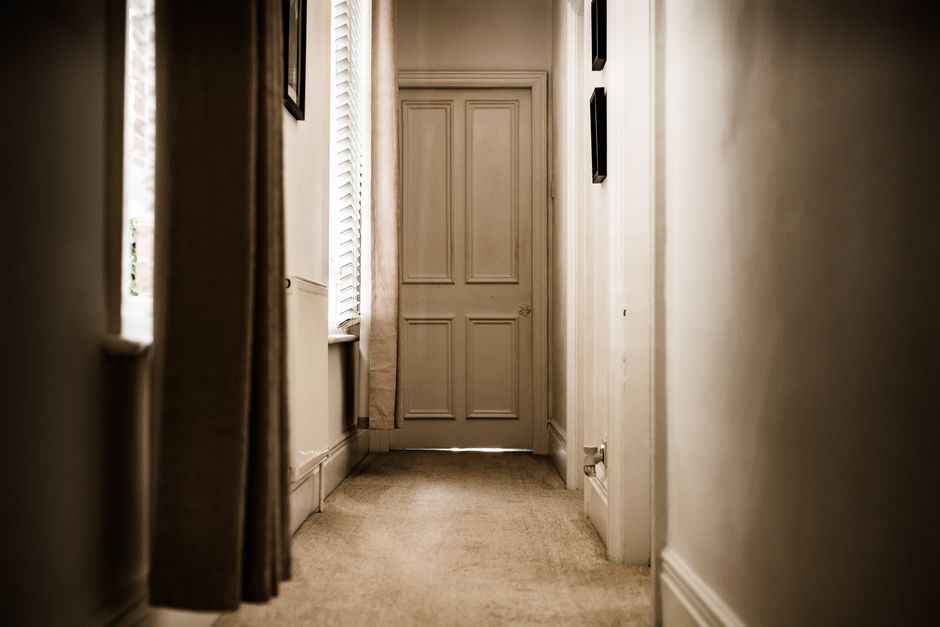
Grove Park Road flat removals advice for narrow hallways
If you are planning a flat move on Grove Park Road, the hallway is often the part that decides whether the day feels smooth or slightly chaotic. Narrow turns, awkward door frames, steep stairs, and that one bulky sofa that looked smaller in the old living room can all slow things down. This guide on Grove Park Road flat removals advice for narrow hallways is designed to help you avoid the usual headaches, protect your furniture, and plan a move that feels controlled rather than cramped.
Truth be told, most moving problems in flats are not dramatic. They are small, practical things: a bed base that will not angle through the landing, a chest of drawers that catches on a banister, or a mover needing to pause for a careful pivot in a tight corridor. You do not need to panic. You do need to prepare properly, and that starts here.
In the sections below, you will find straightforward guidance on access checks, packing choices, protective materials, team coordination, and the sort of mistakes that catch people out. There is also a checklist, a comparison table, and a realistic example from a typical flat move. Small corridors can be managed. They just need a bit of thought.
Table of Contents
- Why narrow hallway planning matters
- How the removal process works in tight flats
- Key benefits and practical advantages
- Who this is for and when it makes sense
- Step-by-step guidance
- Expert tips for better results
- Common mistakes to avoid
- Tools, resources and recommendations
- Law, compliance, standards, and best practice
- Options, methods, and comparison
- Case study or real-world example
- Practical checklist
- Conclusion
- Frequently asked questions
Why Grove Park Road flat removals advice for narrow hallways Matters
Narrow hallways are not just an inconvenience; they shape the whole move. If access is tight, every item has to be planned with more care, from the order in which it leaves the property to how it is carried, turned, and protected. A smooth flat removal on Grove Park Road often depends less on brute force and more on good sequencing and calm communication.
This matters for a few reasons. First, tight access increases the chance of scuffs, knocks, and scratches. Second, it can add time, which matters if you are working around parking limits, neighbours, or a short loading window. Third, bulky items can become genuinely difficult to move if the hallway is cluttered or the route has not been measured properly. A sofa that is fine in the lounge can become a problem the moment it reaches a cramped landing. That is just the reality of flat removals.
There is also the emotional side. Moves are stressful enough without standing in a corridor wondering whether the wardrobe will fit. A little planning removes a lot of that pressure. You are not trying to make the hallway bigger. You are making the move smarter.
Practical takeaway: with narrow hallways, the winning move is always preparation before lifting. Measure first, clear the route, protect the edges, and keep the items moving in a planned sequence.
If you are comparing removal support, it can help to think in terms of access, not just transport. Services such as flat removals and man and van support are often chosen specifically because they can handle tighter spaces and more flexible loading conditions than a larger, rigid setup. For some jobs, that flexibility makes all the difference.
How Grove Park Road flat removals advice for narrow hallways Works
The process is fairly simple once you break it down. A successful narrow-hallway move is usually built around four things: measurement, route planning, protection, and handling. Miss one of those, and you tend to feel it later.
1. Measure the route, not just the furniture
People often measure the sofa or bed and stop there. Useful, yes, but not enough. You also need the width of the hallway, any bends, stairwell clearance, banister gaps, and door swing direction. Sometimes the problem is not the item itself but the angle needed to turn it. A few extra centimetres can decide everything.
If you are moving from a first-floor flat or a maisonette, check the narrowest point along the route. Hallways often feel wider in the middle and tighter near the door frame or staircase. That is where the little surprises hide.
2. Decide what should be dismantled
Not everything needs to come apart, but some items are easier and safer if they do. Bed frames, wardrobes, dining tables, and some shelving units may move far more easily when reduced into manageable parts. The trick is to dismantle only what helps. Over-disassembly can waste time and create confusion with fixings.
A good rule is this: if an item needs a sharp turn or a narrow passage, it is worth checking whether partial dismantling will save hassle. Sometimes five minutes with a screwdriver prevents twenty minutes of awkward shuffling later.
3. Protect the hallway before anything moves
Narrow corridors collect damage fast because movers have less room to correct a carry. Edge guards, floor runners, and blankets are simple but very effective. In older flats, paintwork and architraves can be delicate, and you do not want a heavy corner brushing the wall as someone pivots. A small chip looks minor at the time. Then you notice it every day for the next month.
4. Load in the right order
The order of removal matters. Usually, large but manageable items go first, followed by boxed items, and finally the awkward pieces that need more room and concentration. If the hallway is tight, it is often better to keep the route clear and work in a calm flow rather than filling it with boxes too early. That sounds obvious, but in the middle of a move people forget. It happens.
Used well, professional help such as removal services can make the process feel less like a puzzle and more like a sequence. And honestly, when you are carrying a wardrobe through a narrow landing, a sequence is what you want, not improvisation.
Key Benefits and Practical Advantages
Good advice for tight flat access is not just about avoiding damage. It improves the whole moving day. Here is what you gain when you plan properly.
- Less damage risk: fewer bumps, fewer scuffs, fewer surprises on walls, doors, and furniture.
- Better time control: smoother movement through the hallway means fewer delays and less stopping and starting.
- Lower stress: when the route is mapped out, everyone stays calmer, including the person with the kettle waiting in the new place.
- Cleaner handling of bulky items: mattresses, sofas, and white goods are easier to manage when you know the turning points in advance.
- Better use of helpers: each person can be positioned where they are most useful, instead of crowding the corridor.
There is also a financial angle, even if nobody likes talking about it. A move that runs smoothly is less likely to trigger extra time, emergency fixes, or last-minute add-ons. In that sense, access planning is one of the simplest ways to protect your budget. Not glamorous, but very real.
For larger or heavier furniture, services like furniture removals and piano removals show why specialist handling matters. A piano in a narrow hallway is a different game altogether, and the same basic principle applies even to less dramatic items: the tighter the space, the more important the right technique becomes.
Who This Is For and When It Makes Sense
This advice is especially useful if you live in a flat where the hallway is more of a passage than a room. That might sound obvious, but it covers a lot of real situations on Grove Park Road and nearby streets.
You will find it helpful if you are:
- moving out of a purpose-built flat with a narrow entrance hall
- living in an older conversion with awkward corners or split-level access
- dealing with shared stairwells and limited landing space
- moving bulky furniture, appliances, or fragile items through a tight route
- working to a short loading slot or trying to avoid disturbing neighbours
- planning a same-day handover and need the move to be efficient
It also makes sense if you are unsure whether to hire a van-only service or a full removal team. For smaller loads, a flexible option such as man with van support may suit you, while larger flats with more furniture may benefit from a broader moving setup. The right choice depends on what you own, how narrow the access is, and how much lifting you want to do yourself.
Let's face it, nobody wants to discover on moving morning that the wardrobe is two centimetres too wide for the hallway. That is the kind of discovery that changes a cheerful day into a silent one.
Step-by-Step Guidance
Here is a practical way to handle a flat move where the hallway is tight. Keep it simple. Clear steps beat clever guesses.
- Walk the route in advance. Start at the flat entrance and follow the exact path large items will take. Look for tight corners, low lights, radiators, handrails, and door handles that could catch.
- Measure the awkward bits. Measure furniture width, height, and depth, but also the narrowest doorway and hallway pinch points. A tape measure is boring. Still essential.
- Decide what to dismantle. Beds, table legs, headboards, and some wardrobes are often worth breaking down. Keep hardware in labelled bags so nothing disappears into the moving black hole.
- Clear the hallway completely. Shoes, mats, mirrors, pictures, plant pots, and random baskets all need to go. A hallway should be a route, not a storage shelf.
- Protect floors and corners. Use runners, blankets, and padding where needed. This is especially sensible in older properties where surfaces mark easily.
- Pack by weight and shape. Put heavy items in smaller boxes if necessary. A smaller box is less elegant, perhaps, but much nicer to carry through a tight space.
- Move large items first. Get the awkward pieces out while the route is still clear. Leave the easy boxes for later.
- Assign people clearly. One person leads, one guides, one supports. If everyone tries to steer at once, the item tends to do its own thing.
- Pause at each turn. Tight hallway turns are where damage happens. Stop, reset your grip, and then continue. No heroics needed.
- Check the route after each item. If something has shifted or been left in the way, fix it before the next carry. Small delays here prevent bigger ones later.
If you are using removal support, clear communication helps more than people think. Tell the team what is fragile, what comes apart, and which piece is awkward. A five-second note can save a fifteen-minute struggle. That is a good trade.
Expert Tips for Better Results
These are the kinds of practical details that often separate a decent move from a genuinely smooth one.
Choose the right box sizes
Big boxes are tempting. They look efficient. Then they get heavy and awkward, especially in a narrow hallway. Smaller and medium boxes are often easier to stack, lift, and angle through tight access. It is not about looking neat; it is about control.
Use the hallway as a staging area only if needed
If the hallway is very tight, avoid piling boxes there. Keep it open. If you must stage items, do it in a way that preserves a clear walking lane. A crowded corridor slows everyone down and raises the risk of knocks. Simple, really.
Protect the corners you actually hit
People often protect obvious areas and ignore the awkward ones, like the return wall near a doorway or the edge of a handrail. In our experience, those are exactly the spots that get brushed during a turn.
Think about weather and timing
If it is wet outside, muddy shoes and damp boxes can make the inside route messy fast. Early starts are useful because the light is better, energy is higher, and the building is usually quieter. By late afternoon, people are more tired and a bit less patient. You can feel it in the corridor.
Be honest about what is too big
Sometimes the safest answer is not "force it," but "split it or move it another way." A wardrobe that is technically movable might still be a bad idea if the hallway is too tight. Choosing the safer option is not a failure. It is good judgement.
If you need planning support, services like packing and unpacking services and packing and boxes can also help reduce the clutter and confusion that make narrow access harder than it needs to be.
Common Mistakes to Avoid
Most hallway problems are preventable. These are the mistakes that come up again and again.
- Not measuring the route properly. Guessing is the quickest way to get stuck.
- Leaving loose items in the hallway. Shoes, baskets, and bags create trip hazards and reduce turning space.
- Forgetting about door swings. A door that opens into the route can block the move entirely.
- Trying to carry too much at once. Smaller loads are usually safer in narrow spaces.
- Skipping protection. A blanket or runner can prevent damage that would otherwise be annoying to fix.
- Starting with the easiest items first. It feels efficient, but can trap the difficult furniture in the flat while the route gets busier.
- Assuming the team will "just work it out." Good movers can solve problems, yes. But they still need accurate information from you.
One small but common issue: people forget the exit path needs to be as clear on the way out as it was on the way in. If the route narrows near the door, the last item can be the hardest one of the day. Funny how that works.
Tools, Resources and Recommendations
You do not need a van full of specialist gear to manage a narrow hallway move, but the right tools help. A few sensible items go a long way.
| Tool / item | Why it helps | Best use in narrow hallways |
|---|---|---|
| Measuring tape | Confirms widths, heights, and turning points | Checking furniture against doorway and landing clearances |
| Furniture blankets | Reduces scuffs and protects paintwork | Wrapping corners and shielding tight turns |
| Floor runners | Protects floors and improves grip | Hallways with hard flooring or vulnerable surfaces |
| Labels and marker pen | Keeps dismantled parts organised | Bed frames, wardrobes, and shelving units |
| Trolley or sack truck | Moves boxed items more efficiently | When the hallway is long but not too steep |
| Allen keys and screwdrivers | Useful for quick dismantling | Bed bases, table legs, and modular furniture |
If you are arranging a larger household move, it can help to look at broader support such as home moves or house removals pages for a sense of what full-service planning looks like. Even if you are only moving a flat, the same principles about route preparation and careful handling apply.
A small recommendation from experience: keep a basic "first out, last in" box for cleaning cloths, tape, spare bags, and kettle essentials. You will thank yourself later. Probably while standing in an empty flat with one last lightbulb still buzzing overhead.
Law, Compliance, Standards, and Best Practice
For a flat move on Grove Park Road, there are a few practical compliance points worth keeping in mind. These are not complicated, but they do matter.
Parking and access: If a vehicle will be loading outside the property, check local parking rules, bay restrictions, and any permit or suspension requirements. This is especially important in busier residential streets where space is limited. A badly planned stop can add avoidable pressure to the move.
Building rules: Some flats have communal areas, shared entrances, or managing-agent expectations about moving hours, lift protection, and use of common parts. It is worth checking these in advance rather than assuming flexibility on the day.
Safety practice: Safe lifting, clear communication, and sensible load sizes are basic industry expectations. If something is too heavy or too awkward, a better approach is to reconfigure the item rather than take a risky gamble. Nobody wins from a strained back or a damaged banister.
Insurance and care: Good removal operators should be able to explain how they handle goods in transit and what precautions they take for property protection. You do not need a lecture, just a clear answer. That is fair enough.
Waste and disposal: If you are discarding items as part of the move, make sure you know how they will be handled. Some items may require special disposal or recycling. A tidy exit is part of a tidy move.
If you want to understand how a responsible provider approaches this side of the job, the pages on insurance and safety and health and safety policy are useful references. They help set expectations, which is often half the battle.
Options, Methods, or Comparison Table
There is no single right way to handle narrow-hallway flat removals. The best method depends on how much you are moving, how tight the access is, and how much help you want on the day.
| Approach | Best for | Pros | Trade-offs |
|---|---|---|---|
| Self-move | Small loads, low furniture, confident movers | Lower upfront cost, full control | More lifting, more risk, more planning required |
| Man and van | Moderate loads and flexible access | Good for tight streets and quicker jobs | Less hands-on support than a full removals team |
| Full removal service | Larger flats, bulky items, fragile furniture | More support, better handling, less stress | Usually costs more than doing it yourself |
| Partial dismantle and carry | Wardrobes, beds, large tables | Makes awkward items easier to move | Requires tools, time, and organisation |
For many flat moves, a hybrid approach works best: professional transport plus careful packing and perhaps some dismantling done beforehand. That balance keeps the day efficient without overcomplicating it.
If you are still weighing up services, removal companies and removals pages can help you think through the level of support you actually need, rather than the level you think you should want. There is a difference.
Case Study or Real-World Example
Here is a typical scenario. A one-bedroom flat on Grove Park Road has a narrow hallway, a sharp turn into the living room, and a bed frame, sofa, dining table, and several packed boxes to move. Nothing dramatic, but enough to be awkward.
The day starts with a walkthrough. The movers identify that the sofa will not comfortably swing through the hall unless the coffee table and a standing lamp are removed first. The bed base is dismantled at the flat, with fixings bagged and labelled. The hallway is cleared, and blankets are placed at the corner where the wall is most likely to catch a grazing load.
Once the big items are out, the boxes go next. The team keeps the route open and avoids stacking things in the corridor. It is not fancy. It is simply tidy. The whole move is completed without damage, and the resident does not have to play a last-minute game of "will it fit if we tilt it another two degrees?"
The useful lesson here is that narrow access becomes manageable when each step is prepared. No magic. No drama. Just steady, careful execution.
Practical Checklist
Use this checklist before moving day. It is simple, but it covers the points that matter most.
- Measure all large furniture
- Measure the narrowest hallway and doorway points
- Check stair width and landing space
- Confirm door swing directions
- Clear shoes, mats, and loose items from the hallway
- Decide which furniture should be dismantled
- Label screws, bolts, and fittings
- Protect corners, floors, and banisters
- Plan the loading order in advance
- Tell helpers about fragile or awkward pieces
- Check building access and parking arrangements
- Keep essential tools close at hand
- Prepare a first-night essentials box
- Allow extra time for awkward turns
Quick check: if you can walk the route comfortably with your arms slightly out, that is a good sign. If you keep brushing the same wall just by walking through, your furniture will need extra care. Simple as that.
Conclusion
Grove Park Road flat removals advice for narrow hallways comes down to one thing: do the small things well. Measure properly, keep the route clear, dismantle what needs dismantling, and protect the places most likely to be brushed during a carry. The hallway may be tight, but the move does not have to feel tight in your head.
To be fair, good removals are rarely about speed alone. They are about confidence, order, and knowing where the pinch points are before the sofa gets there. If you prepare with that in mind, the whole day becomes calmer. A bit less noise, a bit less strain, a bit more control.
If you are comparing support options or want a clearer idea of what the job may involve, start by reviewing the service details that match your move and planning the access carefully. A well-managed flat removal saves time, protects belongings, and makes the last box feel like progress rather than a battle.
Get a free quote today and see how much you can save.
And when the last box is finally inside, there is a lovely moment of quiet. The hallway is clear again, the kettle is on, and suddenly it all feels doable.
Frequently Asked Questions
How do I know if my hallway is too narrow for flat removals?
If your hallway forces furniture to twist sharply or leaves almost no room to turn, it is tight enough to need careful planning. Measure the narrowest points and compare them with your larger items before moving day.
Should I dismantle my bed or wardrobe before moving?
Usually, yes if they are awkward to turn or carry. Beds are often easier to move in parts, and some wardrobes are safer when partially dismantled. Keep all fixings labelled so reassembly is less of a headache.
What furniture causes the most problems in narrow hallways?
Sofas, bed frames, wardrobes, mattresses, and dining tables are common troublemakers. Their size and shape make turns difficult, especially where there is a tight corner or a narrow landing.
Can a man and van service handle a narrow flat move?
Often, yes. A flexible man with a van setup can work well for smaller flat moves, especially when access is tight and the load is not huge. The key is accurate planning before the day.
How far in advance should I measure the access route?
As soon as you start planning the move. Do not leave it until the evening before. Measuring early gives you time to dismantle items, change the packing plan, or choose a different moving method if needed.
What should I clear from the hallway before movers arrive?
Remove shoes, mats, coats, stands, pictures, bins, and anything else that could narrow the route or become a trip hazard. The clearer the hallway, the smoother the move.
Do I need floor protection in a flat move?
It is strongly recommended, especially in narrow hallways where loads are more likely to brush the floor or walls. Floor runners and blankets can help protect surfaces and reduce stress on moving day.
How do I avoid scuffing the walls?
Use padding on corners, move one item at a time, and have someone guide the carrier at the tightest points. Slow, controlled movement is far safer than trying to rush through a narrow turn.
What if the furniture definitely will not fit?
Then you may need to dismantle it further, move it in a different sequence, or use a different route. In some cases, the safest option is to remove the item through another access point if the building allows it.
Is there a best time of day for a flat removal on Grove Park Road?
Earlier is usually easier. There tends to be less congestion, better light, and a calmer pace. That said, the best time also depends on parking access, building rules, and your own schedule.
How can I keep the move organised if the hallway is very cramped?
Keep the hallway clear, label everything, and move large items first. One person should direct the flow, especially at turns. A cramped space needs structure more than speed.
Where can I get help if my move includes bulky or awkward items?
Look at services that match the item, not just the destination. For example, furniture removals are useful for large household pieces, while specialist options suit heavier or more fragile items. Matching the service to the access route is the smart move.