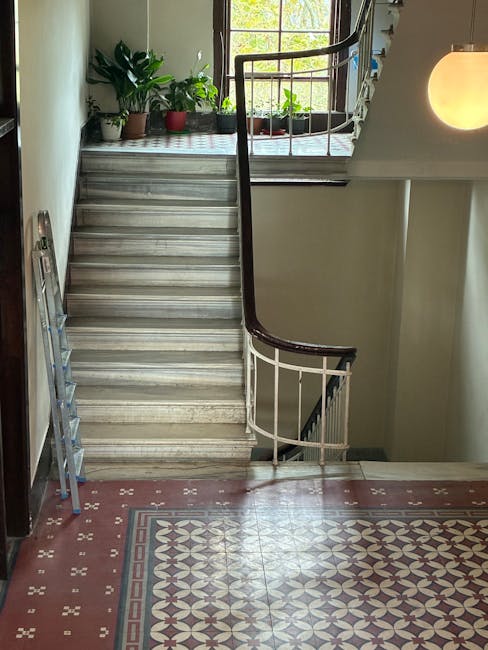
W6 narrow staircase removals tips for older homes
Older homes in W6 have a lot going for them: character, high ceilings, original features, and those lovely solid doors that never quite shut the way they should. The downside? Narrow staircases. If you've ever tried to turn a wardrobe on a landing that feels more like a corridor, you already know the problem. W6 narrow staircase removals tips for older homes are less about brute strength and more about planning, angles, protection, and patience.
Truth be told, most removal problems in older homes happen before anything is lifted. A quick measure missed here, a loose banister ignored there, and suddenly a simple move becomes a stressful one. This guide walks you through the practical side of moving out of or into an older W6 property, with a focus on making tight staircases safer, smoother, and far less chaotic. You'll find step-by-step advice, useful comparisons, common mistakes, and a realistic checklist you can actually use on moving day.
If you are planning a house move, flat move, or furniture move in the area, it also helps to understand the broader service options available through local removals support in Ravenscourt Park and the more specific flat removals service for tighter buildings and awkward stairwells.
Table of Contents
- Why narrow staircase removals in older homes matter
- How the process works in practice
- Key benefits and practical advantages
- Who this is for and when it makes sense
- Step-by-step guidance
- Expert tips for better results
- Common mistakes to avoid
- Tools, resources and recommendations
- Law, compliance, standards and best practice
- Options and comparison table
- Case study or real-world example
- Practical checklist
- Conclusion
- Frequently asked questions
Why W6 narrow staircase removals tips for older homes Matters
Older homes often have staircases built for a different era. They may be steeper, narrower, twist more sharply, or include low ceilings and awkward turns that were perfectly normal decades ago. That charm is lovely to live with. Moving a sofa up them, not so much.
The reason these situations matter is simple: the wrong approach can cause damage to the property, damage to the item, or injury to the people doing the lifting. Scraped walls are the mild version. A trapped fridge, a cracked stair tread, or a strained back is the version nobody wants. And let's face it, once an item is half-way on a landing and everyone has gone a bit quiet, the mood changes fast.
In W6, many older properties also sit in shared buildings or converted homes, which adds another layer of risk. You may need to think about neighbours, hallway protection, parking access, and how long the move will take. A bit of extra planning saves a lot of apologising later. If you're juggling a bigger household move, a house removals service in Ravenscourt Park can help manage the whole process from ground floor to top landing.
Key point: narrow staircase moves in older homes are rarely difficult because of one big problem. Usually it's several smaller issues that stack up: measurements, shape, weight, handling, and timing.
How W6 narrow staircase removals tips for older homes Works
The best way to handle a narrow staircase move is to treat it like a puzzle, not a lifting contest. You start by measuring the item, then checking the staircase, then deciding whether the piece can travel upright, tilted, or in parts. Sometimes the answer is obvious. Sometimes it isn't. A chest of drawers may fit if the drawers are removed and the angle is right. A wardrobe might need dismantling. A piano, frankly, needs specialist planning from the start.
Good removals teams typically work in a sequence like this:
- Inspect the staircase, landings, banisters, and turning points.
- Measure large items and compare them to the available width and height.
- Decide what can be carried safely as-is and what should be dismantled.
- Protect the route with covers, padding, or floor protection.
- Assign roles so one person leads, one guides, and one watches clearances.
- Move slowly, with rest points on landings if needed.
- Recheck corners, handrails, and wall edges before every turn.
For heavier or more awkward loads, using the right transport option matters too. A reliable man and van in Ravenscourt Park arrangement can work well for smaller moves, while a larger or more complex job may suit a full-service team. The point is not to use the biggest vehicle possible; it's to choose the setup that fits the property.
In practice, staircase removals often succeed or fail at the planning stage. By the time the sofa reaches the first landing, the real decision has already been made.
Key Benefits and Practical Advantages
There's a lot to gain from approaching narrow staircase removals properly. The first benefit is obvious: fewer accidents. But there are several quieter benefits that matter just as much.
- Less risk of damage: walls, bannisters, light fittings, and door frames all stay in better shape.
- Less physical strain: careful handling reduces the chance of injury, especially on stairs.
- Faster decision-making: once items are assessed properly, the move runs more smoothly.
- Better protection for older features: period staircases often have delicate paint, woodwork, or worn treads.
- Lower stress: people are calmer when they know the route and the method.
Another real advantage is that a sensible plan often saves money in the end. You may avoid re-delivery charges, repair costs, or the extra labour that comes from an item being stuck in the wrong place. That is one of those bits people only appreciate after the fact. A little prep now, less pain later.
Many homeowners also find that the process forces a useful level of decluttering. If a bulky item is never going to fit cleanly through an older staircase, maybe that's the moment to reassess it. The move becomes a chance to simplify, not just relocate. For help with that side of things, this decluttering guide before moving is worth a look.
Who This Is For and When It Makes Sense
This advice is most useful for people moving in or out of older W6 properties, especially homes with steep stairs, tight turns, shared hallways, or rooms that have been converted over time. If your building was renovated without widening the staircase, you already know the kind of awkwardness we mean.
It makes sense for:
- Homeowners in period properties
- Tenants moving into or out of upper-floor flats
- Families with large furniture and limited access routes
- People moving beds, wardrobes, sofas, or white goods
- Anyone considering a DIY move but unsure about the staircase
- Customers arranging specialist items such as pianos or large antiques
It also makes sense if you have limited time. In a move, not everyone has the luxury of an all-day window. Sometimes you've got a very British combination of a parking slot, a lift booking, and two hours before the estate agent arrives. A service that can work around your schedule, such as delivery at a time that suits you, can be genuinely helpful.
If you're dealing with a smaller load, a man with a van in Ravenscourt Park can be a practical fit. If you're moving a full household or need a broader service package, a more complete option from local removal services may be the smarter route.
Step-by-Step Guidance
Here is the practical sequence we'd recommend for most older homes with narrow stairs. It's not glamorous, but it works.
1. Measure everything before lifting anything
Measure the widest part of the item, not just its front face. Rounded corners, handles, feet, and protrusions all count. Then measure staircase width, landing depth, ceiling height, and any tight turns. Be generous in your assumptions. A tape measure can be optimistic if you let it.
2. Identify the awkward points
Look for places where the item may catch: the bottom step, the half landing, the top corner, or the point where the stairwell narrows under a sloped ceiling. Older homes love these little surprises. If a handrail is removable without damage, that may create vital extra space, but only if it can be put back properly.
3. Strip down what you safely can
Remove drawers, shelves, detachable legs, cushions, and loose fittings. This makes items lighter and often slimmer. For beds and mattresses, it may help to follow a more specific plan such as guidance on transporting beds and mattresses. For especially bulky furniture, dismantling is often the difference between a clean move and a long, noisy struggle.
4. Protect the route
Use blanket wraps, corner protectors, cardboard, or proper floor covering where needed. In older homes, paint can chip easily and stair edges can be worn. A scrape on a period banister may seem small in the moment, then suddenly it isn't. The smell of old wood and fresh tape is a familiar moving-day mix, strangely enough.
5. Use the correct lifting technique
Keep loads close, bend your knees, and avoid twisting. Move slowly and communicate clearly. If one person says "pause", everyone pauses. That simple rule avoids a lot of near misses. If you need a refresher, this heavy-object lifting guide is useful background, though for stair removals it's usually better to have help.
6. Test the route with the item tilted
Some pieces only fit on the diagonal. Others need to be rotated upright, then flat again. One person should lead the movement and call the pace. The others guide the corners and keep an eye on wall clearance. If you're moving something especially heavy, use the idea of controlled momentum carefully; the article on using motion safely in lifting gives a useful perspective.
7. Stop before fatigue turns into carelessness
This is a big one. People start well, then ten minutes later get tired, flustered, and a bit too brave. That's when damage happens. Take a breath, reset your grip, and rest if needed. There is no prize for rushing a wardrobe down old stairs like a stunt scene.
Expert Tips for Better Results
These are the small things that make a big difference in older homes.
- Use a spotter on the corners. They don't lift; they watch clearance and prevent knocks.
- Remove shoes if the house is very tight. It sounds minor, but it can reduce scuffing on delicate flooring.
- Keep a torch or phone light handy. Some stairwells in older houses are darker than you expect, especially late afternoon.
- Check the weather on the day. Wet shoes, damp steps, and muddy thresholds make everything trickier.
- Wrap corners more generously than you think you need to. The corners are where the trouble starts.
- Break the work into stages. One item at a time, one landing at a time. Simple, but effective.
For sofas in particular, movement through narrow stairs can be much easier if the item is protected and the cushions are removed. If you're dealing with a bulky settee, the tips in this sofa storage and care guide also help you think about shape and protection before the move starts.
And if you're moving a valuable or awkward item like a piano, do not improvise. That's the kind of job where specialist handling matters more than optimism. The discussion on the risks of moving a piano alone makes the point clearly.
Common Mistakes to Avoid
Most staircase problems are avoidable. The trouble is, the mistakes are usually very human ones.
- Guessing the measurements. "It should fit" is not a plan.
- Forgetting the turning radius. Stair width matters, but the landing turn matters too.
- Not protecting the walls. One corner scrape can ruin a neat hallway.
- Trying to keep everything assembled. Sometimes the item needs to come apart first.
- Using too few people. Two people may be enough for boxes; not always for heavy furniture.
- Moving during cluttered times. Shoes by the stairs, bags on the landing, and a loose rug are all avoidable hazards.
- Ignoring the item's weight distribution. A bulky but light wardrobe can still be awkward if the centre of gravity is poor.
A common real-world mistake is to assume the staircase is the only issue. In older homes, the route into the building can be just as important: hallway bends, entry steps, front door width, and parking distance all change the job. That's why a wider look at the right removal van choice and the route to it matters too.
To be fair, people often only realise these problems when the item is already in the hallway. Better to catch them in daylight, with a measuring tape, and a cup of tea before the stress starts.
Tools, Resources and Recommendations
You do not need a van full of specialist kit for every move, but the right basics help. In older homes, simple tools often do the most work.
| Tool or resource | What it helps with | Best use in older W6 homes |
|---|---|---|
| Measuring tape | Checks item and staircase dimensions | Essential before deciding if a piece can turn or tilt |
| Furniture blankets | Protects surfaces from knocks | Useful for walls, banisters, and item corners |
| Gloves with grip | Improves handling and control | Helpful for smooth wood, painted surfaces, and damp weather |
| Dolly or sack truck | Moves items on flat ground | Good for the doorstep and driveway, not usually stairs |
| Corner protectors | Reduces wall and furniture damage | Particularly useful in narrow stairwells |
| Professional removals support | Planning, lifting, protection, transport | Often the safest choice for complex or valuable items |
If you need secure temporary holding for items that won't fit immediately, storage in Ravenscourt Park can bridge the gap between leaving one property and entering the next. That can be especially useful if you need to clear stairs in stages rather than all at once.
For packing materials, a good source of boxes and protective supplies is packing and boxes for removals. Proper packing is boring in the moment, yes, but it saves the day later.
Law, Compliance, Standards and Best Practice
For most domestic moves, there is no special law that says how a sofa must be carried up a staircase. Still, sensible best practice matters, especially where safety and access are concerned. In the UK, removal work should be carried out with care to avoid injury and prevent damage to people or property. That means using appropriate lifting methods, keeping routes clear, and not taking avoidable risks.
If you are hiring help, it is reasonable to ask about insurance, safety procedures, and what happens if an item cannot be moved safely without dismantling. A professional team should be able to explain its process in plain English. If that conversation feels vague, ask again. There's no harm in it.
It is also wise to consider building rules in flats or converted houses. Shared stairways may need to stay clear, and neighbours may need notice if large items are being moved. For wider service confidence, you can review pages like insurance and safety, the health and safety policy, and the terms and conditions before booking.
If you want to understand service standards more broadly, the services overview page is a useful starting point. It helps set expectations before moving day arrives, which honestly is half the battle.
Options, Methods, or Comparison Table
There is no single right way to handle a narrow staircase move. The best method depends on the item, the stairs, and how much risk you are willing to take on. Here is a simple comparison.
| Method | Best for | Pros | Cons |
|---|---|---|---|
| DIY move with friends | Small furniture, light boxes, straightforward stairs | Lower immediate cost, flexible timing | Higher risk of damage, less experience, no safety net |
| Man and van support | Smaller moves, fewer bulky items, local transport | Practical, efficient, often cost-effective | May still need careful planning for difficult items |
| Full removal service | Larger home moves, multiple heavy items, tricky access | More support, better coordination, less physical strain | Usually costs more than a basic transport-only option |
| Specialist item handling | Pianos, antiques, oversized or delicate loads | Lower chance of damage, specialist equipment and experience | Needs more planning and may need separate booking |
For most older homes, the smartest choice is the one that matches the item and the staircase honestly. Not the cheapest in the abstract, but the one that actually gets the job done without drama. There's a difference.
Case Study or Real-World Example
Imagine a typical W6 Victorian conversion: one narrow staircase, a tight half-landing, and a hallway with a decent chance of scuff marks if anyone turns too fast. The homeowner needs to move a double wardrobe, a bed frame, and a sofa. Nothing outrageous, but enough to make the staircase the main event.
First, the wardrobe is measured and the doors are removed. It still looks large, so the team checks whether the top and bottom sections can be separated. They can, which instantly changes the job. The bed frame is dismantled fully, wrapped, and labelled so reassembly is straightforward later. The sofa is rotated carefully, with two people on the lift and one guiding the back corner past the banister.
What makes the difference? Not strength. Coordination.
There is a quick route check before each item, the walls are covered, and the landing is kept clear. One small pause happens halfway through the wardrobe move because a corner is close to the paintwork. That pause saves a chip. No one cheers, obviously, but everyone relaxes a little.
If the homeowner had tried to force the wardrobe upstairs in one piece, the chances of a scrape or a stuck landing would have been much higher. Instead, the move takes longer than a rushed attempt, but it ends cleanly. The old staircase stays intact, and the furniture arrives with its dignity, which is something.
For moves that need storage between stages, a service like packing your items and waiting for collection can fit neatly into a staggered plan. That can be especially useful if access or timing is a bit awkward.
Practical Checklist
Use this checklist before the move starts. It keeps the day grounded and makes it much easier to spot problems early.
- Measure every large item, including handles, feet, and protruding parts
- Measure staircase width, landing depth, ceiling height, and turning points
- Check whether items can be dismantled safely
- Clear the staircase, hallway, and nearby rooms of clutter
- Protect walls, bannisters, floors, and corners
- Wear suitable footwear and gloves
- Assign one person to lead each move
- Agree on simple commands like stop, turn, and rest
- Keep children and pets away from the route
- Check parking and access for the vehicle
- Have blankets, tape, and protective materials ready
- Decide in advance which items are too awkward for DIY lifting
Expert summary: if it is heavy, awkward, valuable, or impossible to turn without contact, treat it as a specialist move rather than a casual lift. That one judgement call can save time, stress, and a lot of muttered apologies on the stairs.
Conclusion
Older W6 homes are full of character, but their narrow staircases can make removals feel far more difficult than they should. The best results usually come from careful measuring, smart dismantling, sensible protection, and a calm pace. You do not need heroic lifting. You need a plan that respects the staircase and the furniture.
Whether you are moving one heavy item or an entire household, the goal is the same: keep people safe, protect the property, and make the process feel manageable. If you approach it that way, the stairs stop being the enemy and become just another part of the route. Not easy, maybe. But manageable, absolutely.
If you are comparing options or need help with a difficult access move, speaking to an experienced local team is a very sensible next step. You can get in touch here to discuss your move and ask the practical questions before booking.
Get a free quote today and see how much you can save.
Sometimes the smallest bit of planning is what turns a stressful staircase into a straightforward move. And that's a good feeling, to be fair.
Frequently Asked Questions
Can furniture be moved safely up a narrow staircase in an older home?
Yes, often it can, but it depends on the size of the item, the shape of the staircase, and whether the furniture can be dismantled. Careful measuring and planning make the biggest difference.
What should I measure before trying to move large items upstairs?
Measure the item at its widest point, then measure staircase width, landing depth, ceiling height, and turn points. Do not forget handles, feet, and any curved edges.
Is it better to dismantle furniture before a staircase move?
In many older homes, yes. Dismantling can reduce weight and make awkward turns easier. It also lowers the risk of damage to walls and the item itself.
What items are most difficult in narrow staircase removals?
Wardrobes, sofas, mattresses, fridges, and pianos are usually the trickiest. They are either bulky, heavy, awkward to grip, or all three at once.
How do I protect old walls and bannisters during a move?
Use blankets, corner protectors, and floor coverings where needed. Clear the route fully and move slowly, especially on turns and landings.
When should I avoid doing the move myself?
If the item is very heavy, valuable, oversized, or difficult to turn without contact, it is safer to use professional help. A rushed DIY attempt can cost more in the end.
Can a man and van service handle older homes with tight stairs?
Yes, many can, especially for smaller loads or carefully planned furniture moves. For bigger or more complex jobs, a fuller removals service may be a better fit.
Do I need insurance for a staircase removal?
It is sensible to check that the company has suitable insurance and clear safety procedures. Ask what is covered before the move begins so there are no surprises later.
What if the item gets stuck on the stairs?
Stop immediately. Forcing it is the worst move. Reassess the angle, remove any detachable parts, and if needed get professional help before trying again.
How can I make moving day less stressful in an older W6 property?
Prepare early, keep the route clear, pack properly, and avoid last-minute lifting decisions. A calm, staged approach usually works far better than rushing. If timing is tight, services that let you choose a suitable delivery slot can help.
Are narrow staircase moves more expensive?
They can be, because they often take more time and may require extra care, protection, or dismantling. The exact cost depends on the property, the items, and the level of service needed.
What is the safest way to move a mattress in an older house?
Keep it covered, carry it on its side if appropriate, and have someone guide it at the tight corners. For more detail, the mattress moving guide linked earlier is a good place to start.